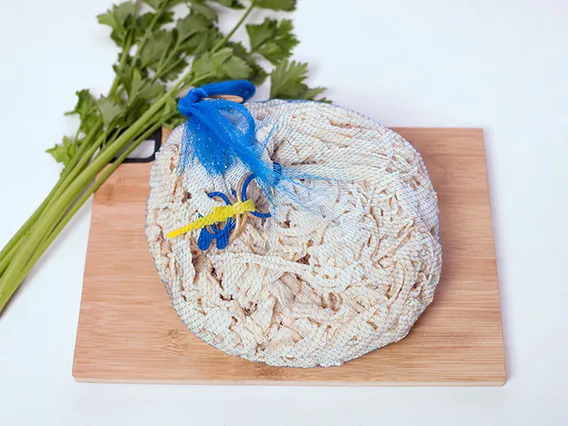
In recent years, the culinary world has witnessed a remarkable resurgence in traditional food-making techniques. Among these, the art of sausage making stands out, with farmers' markets and gourmet kitchens across the globe embracing the rich textures and flavors that only natural casings can provide. At the heart of this movement is sheep casing, a remarkable and versatile choice for creating an array of flavorful sausages that have become a key ingredient in many culinary creations.
As we advance into a new culinary era, many chefs are gravitating toward traditional ingredients and techniques that honor both the flavors of the past and the sustainability of our future. When it comes to sausage making, sheep casings have emerged as a popular option, beloved for their unique qualities and contributions to the final product. But what exactly has spurred this growing affinity for sheep casings in the kitchen?
One of the vital aspects of working with sheep casings is sourcing them responsibly. Chefs and artisans often seek local and sustainable options to ensure both quality and ethical practices. As the demand for high-quality ingredients rises, suppliers are adapting to meet the specifications of concerned cooks.
In many regions, including the United States, Europe, and Australia, sheep casings are harvested from healthy livestock raised under humane conditions. Notably, online suppliers are thriving, providing chefs access to fresh and well-cared-for casings. Supply chain transparency has become increasingly important as both consumers and chefs are interested in knowing the origin of their ingredients. Industry leaders recommend checking certification and sourcing practices before making a purchase.
Sheep casings are not just about sustainability; they also provide a superior flavor and texture that has become a hallmark of exquisite sausages. Renowned for their natural taste and consistency, sheep casings are thin, yet exceptionally strong, making them ideal for a wide range of sausages, from delicate Italian salsiccia to spicy Spanish chorizo.
Key Benefits of Sheep Casings:
1. Flavor Integration: The natural porosity of sheep casings allows for an excellent exchange of flavors during the cooking process. This characteristic ensures that the internal stuffing achieves an even infusion of spices and seasonings, enhancing the overall taste profile.
2. Textural Delight: Sheep casings possess a tender, yet robust texture that brings a delightful “snap” when bitten into. This aspect significantly enhances the eating experience, distinguishing high-quality sausage from mass-produced varieties.
3. Versatility: Whether you're making fresh sausages, dry-cured varieties, or smoked offerings, sheep casings are incredibly adaptable. They can accommodate a variety of meat blends and seasoning profiles, catering to diverse culinary inspirations.
4. Ease of Use: Many chefs have noted that working with sheep casings can be easier than other options. Their natural elasticity makes them manageable for stuffing, and following a few essential guidelines usually guarantees success.
1. Preparation is Key: Before stuffing sausages, sheep casings should be soaked in water for at least 30 minutes to an hour to make them pliable. Rinse them thoroughly and check for any imperfections before use.
2. Proper Stuffing Technique: When filling casings, it is crucial to maintain an even pressure to prevent breakage. Many chefs recommend using a sausage stuffer for controlled and consistent filling. Avoid overstuffing, as this can cause the casing to rupture during cooking.
3. Cooking Matters: Sheep casings are thin, so they require careful monitoring during cooking. Most sausages benefit from gentle cooking methods, such as poaching or grilling, to maintain moisture without compromising the casings.
4. Quality Assurance: To ensure a successful sausage, it's essential to use high-quality meats and seasonings. Experiment with different combinations to develop unique flavor profiles that highlight the capabilities of sheep casings.
As the demand for sheep casings soars, several key market hotspots have emerged worldwide. Notably, artisanal butcher shops and farmers' markets in urban areas have turned into hubs for finding high-quality sheep casings. Cities like New York, Los Angeles, and London feature a growing number of specialty shops that cater to culinary enthusiasts eager to experiment with sausage making.
In Europe, renowned regions like Tuscany and Bavaria have established their reputations for producing high-quality artisanal sausages utilizing local sheep casings. The upcoming 'Sausage and Wine Festival' in Tuscany promises to showcase the finest sausages crafted using these exceptional casings, drawing food lovers from around the globe.
Innovation continues to accompany the traditional craft of sausage making. Today's chefs are experimenting not just with flavors but with processes that honor the integrity of ingredients. Reimagined recipes incorporating global spices and ingredients reflect both cultural heritage and modern gastronomic trends. The use of sheep casings provides a vehicle for these innovative ideas, allowing chefs to express creativity while staying rooted in tradition.
Additionally, some producers are blending unconventional proteins—such as plant-based options and exotic meats—into their sausages while still utilizing sheep casings, creating a new category of gourmet products that appeal to health-conscious consumers and adventurous eaters alike. This exciting wave further highlights the adaptability and versatility of sheep casings in various culinary contexts.
As chefs and food enthusiasts alike continue to explore the versatility of sheep casings, it is evident that they are more than just a traditional choice for sausage making. Sheep casings provide a unique blend of flavors, textures, and sustainability that meet the evolving demands of today's culinary landscape. Their growing popularity highlights a global trend towards authenticity in food crafting—one that encourages the use of quality ingredients and time-honored techniques.
As we look towards the future, the humble sheep casing holds great promise for shaping not only the sausage industry but also the broader understanding of quality food production. Whether in bustling kitchens in urban centers or the peaceful farms of the countryside, sheep casings will undoubtedly remain central to the culinary revolution, inspiring chefs everywhere to create their own flavorful legacies in sausage making.

